배초향(4)
https://daehyo49.tistory.com/7816430
배초향(3)
https://daehyo49.tistory.com/7815017
히솝
https://daehyo49.tistory.com/7816953
아니스 히솝(파랑배초향)
https://daehyo49.tistory.com/7817264
학명 : Agastache foeniculum (Pursh) Kuntze
분류 : 꿀풀과(Lamiaceae)
Common Name : anise hyssop, blue giant hyssop등 (아래 위키 참조)
국표식 등재 국명 : 파랑배초향
국내 유통명 : 아니스 히솝 :
* 우리나라에 자생하는 배초향 Agastache rugosa와 같은 속이다
사진 : 2025.09.30 강동구 일자산 허브 천문공원
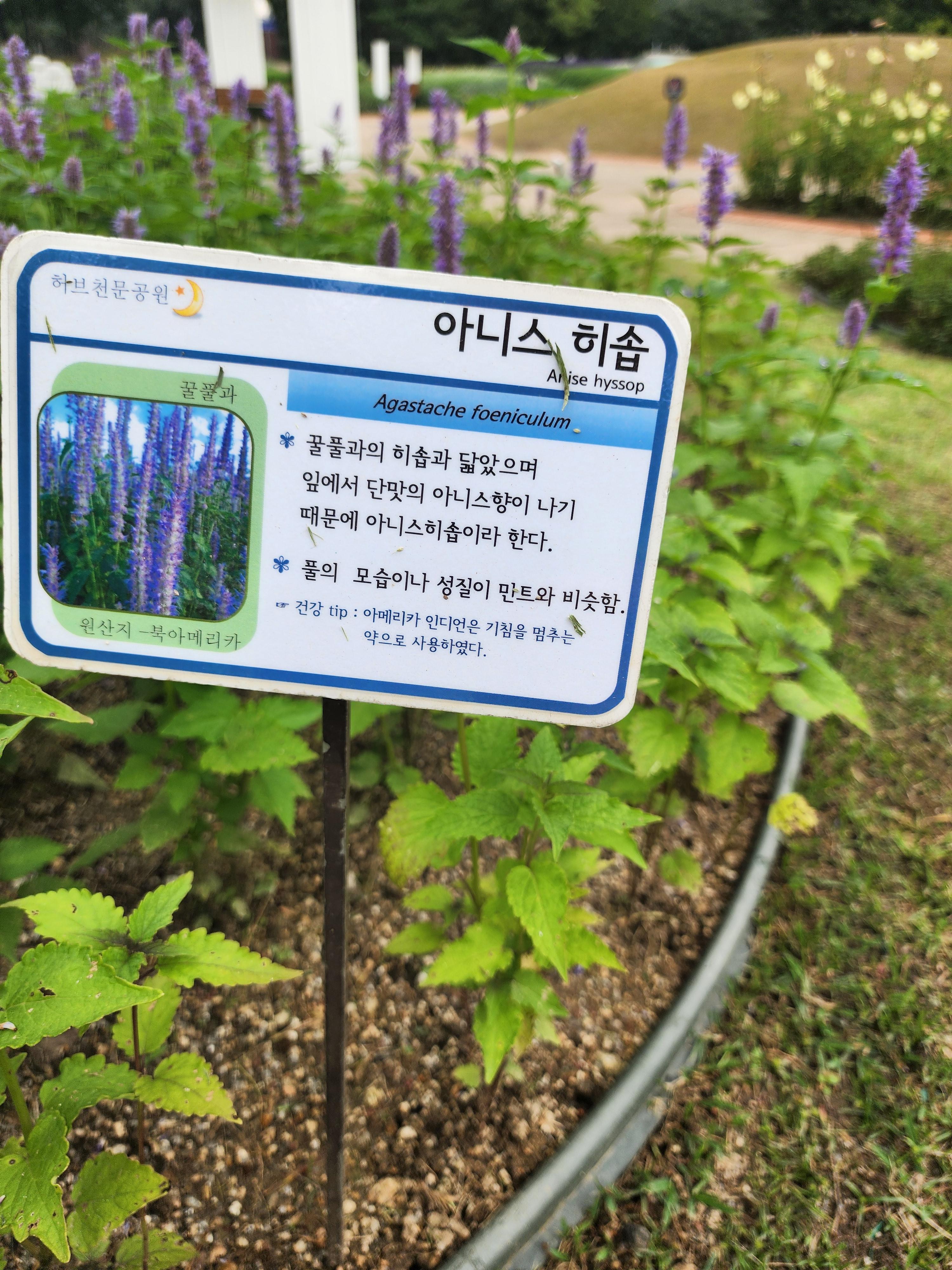
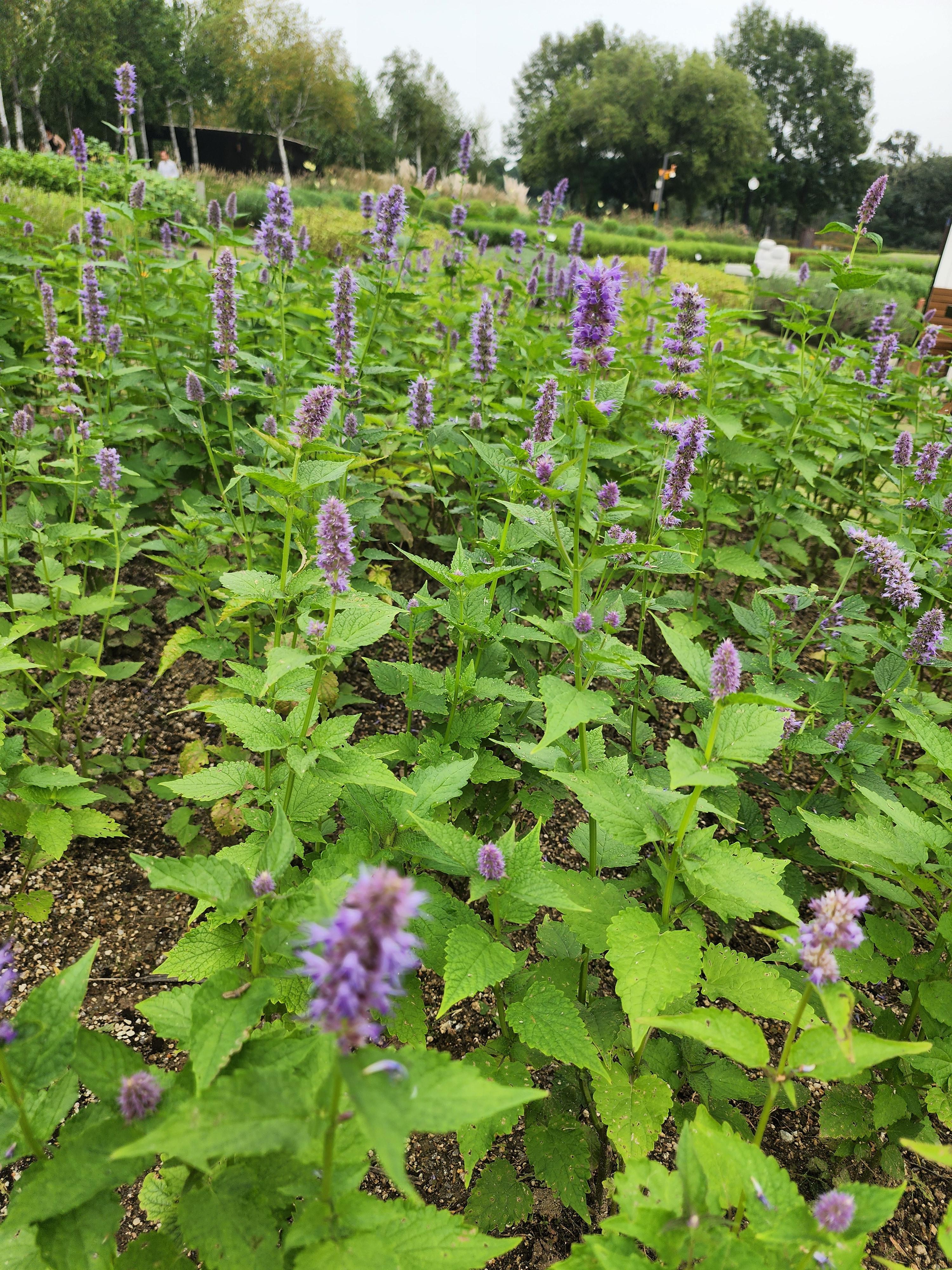
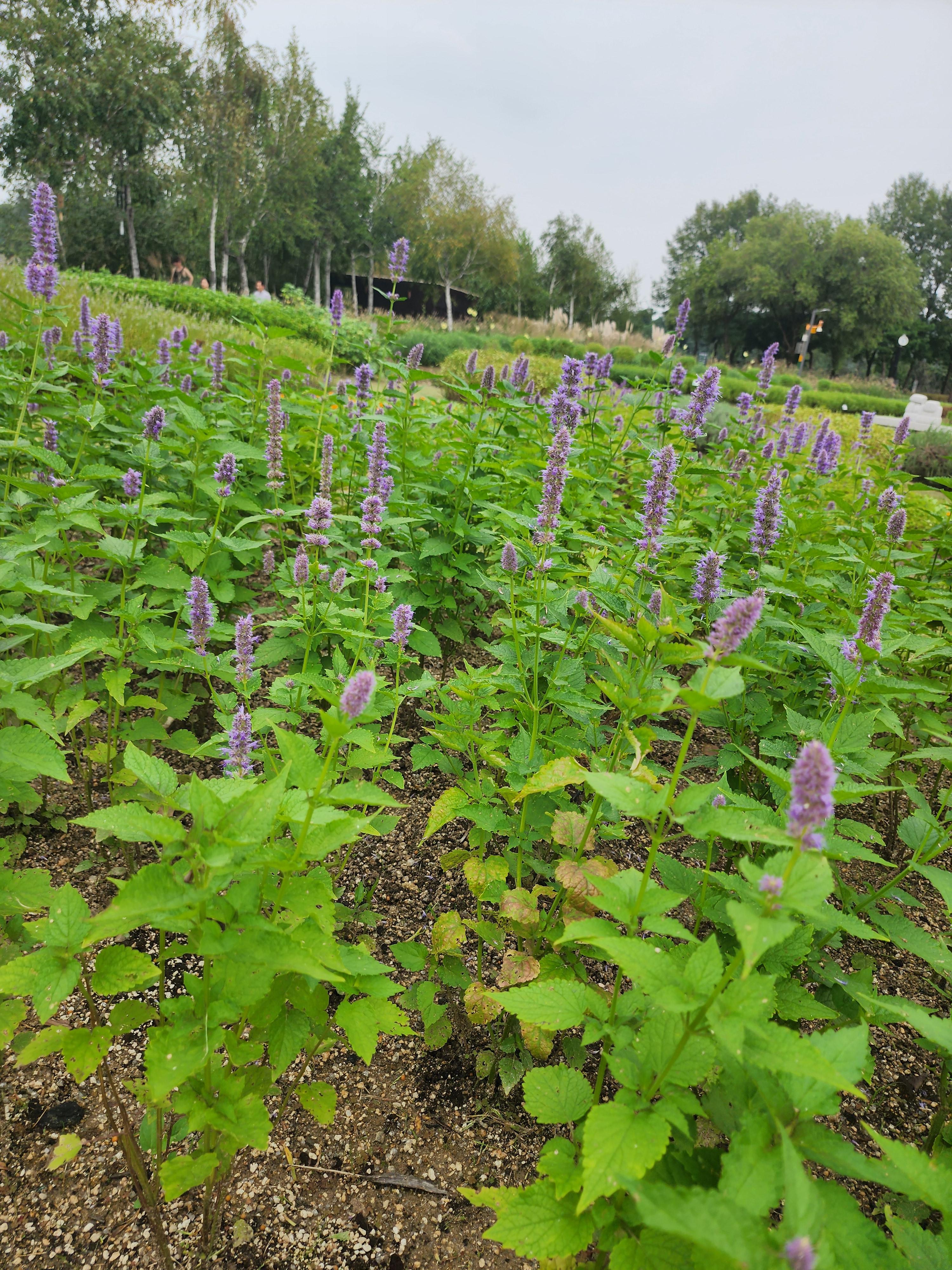
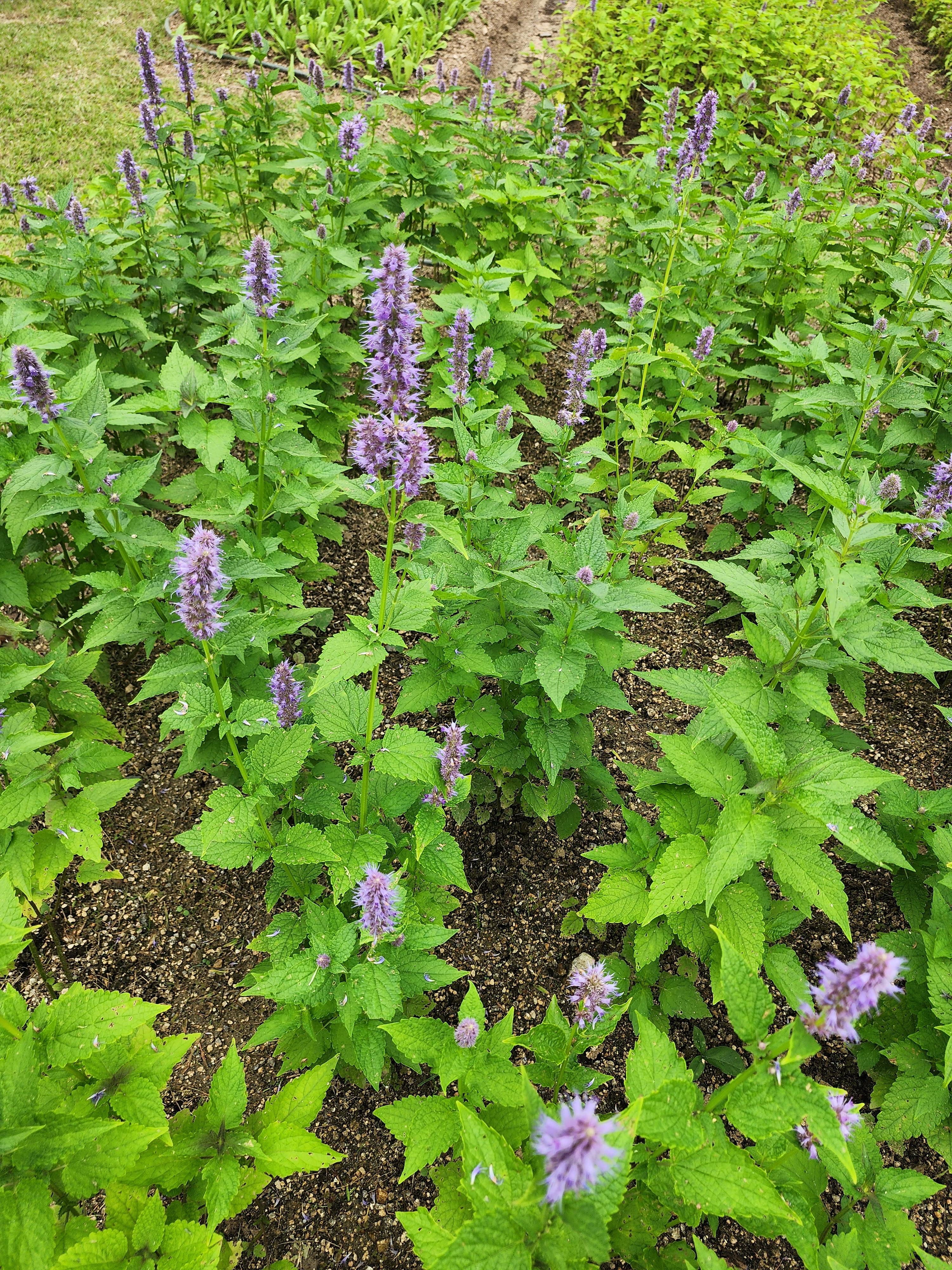
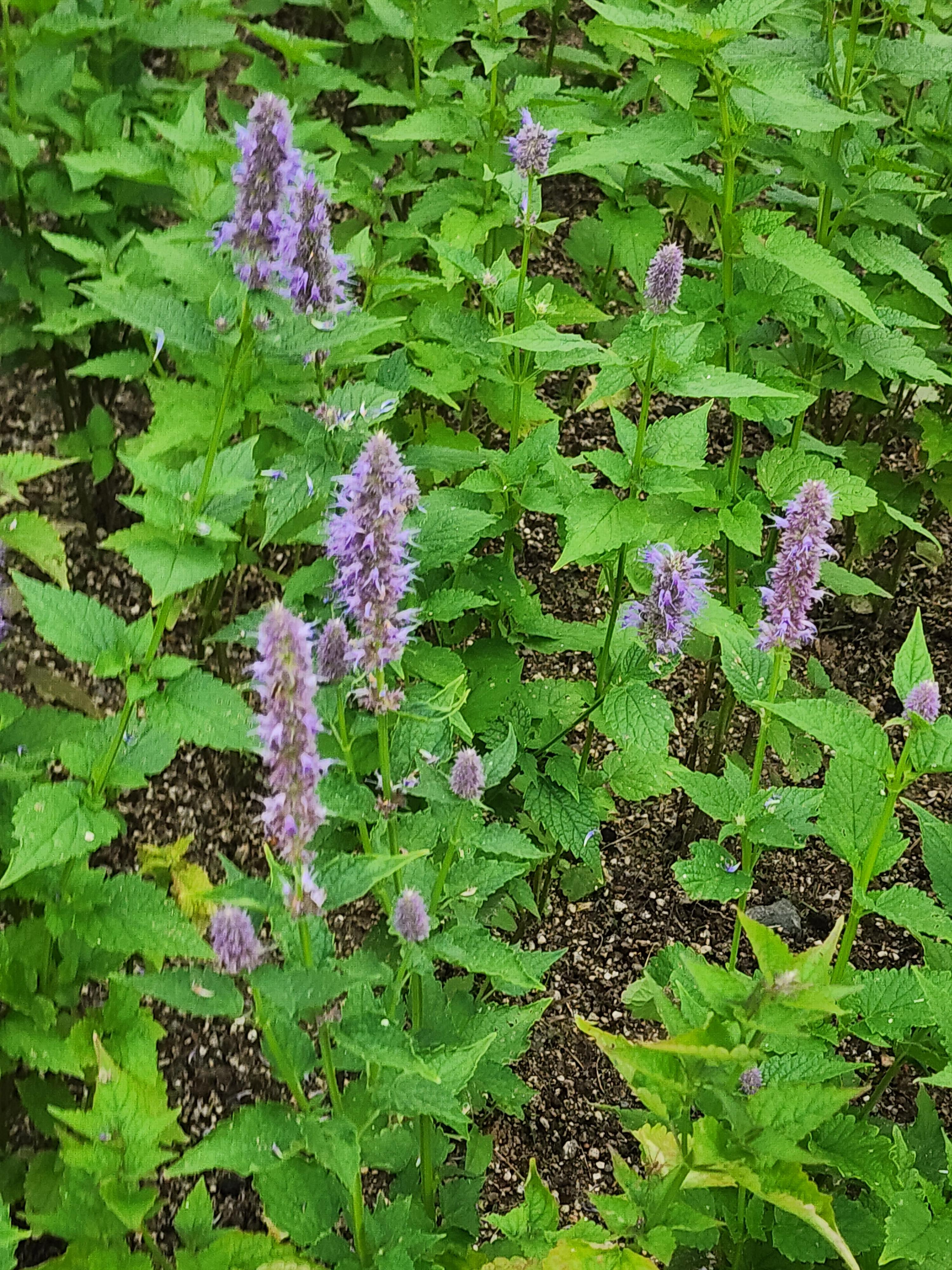

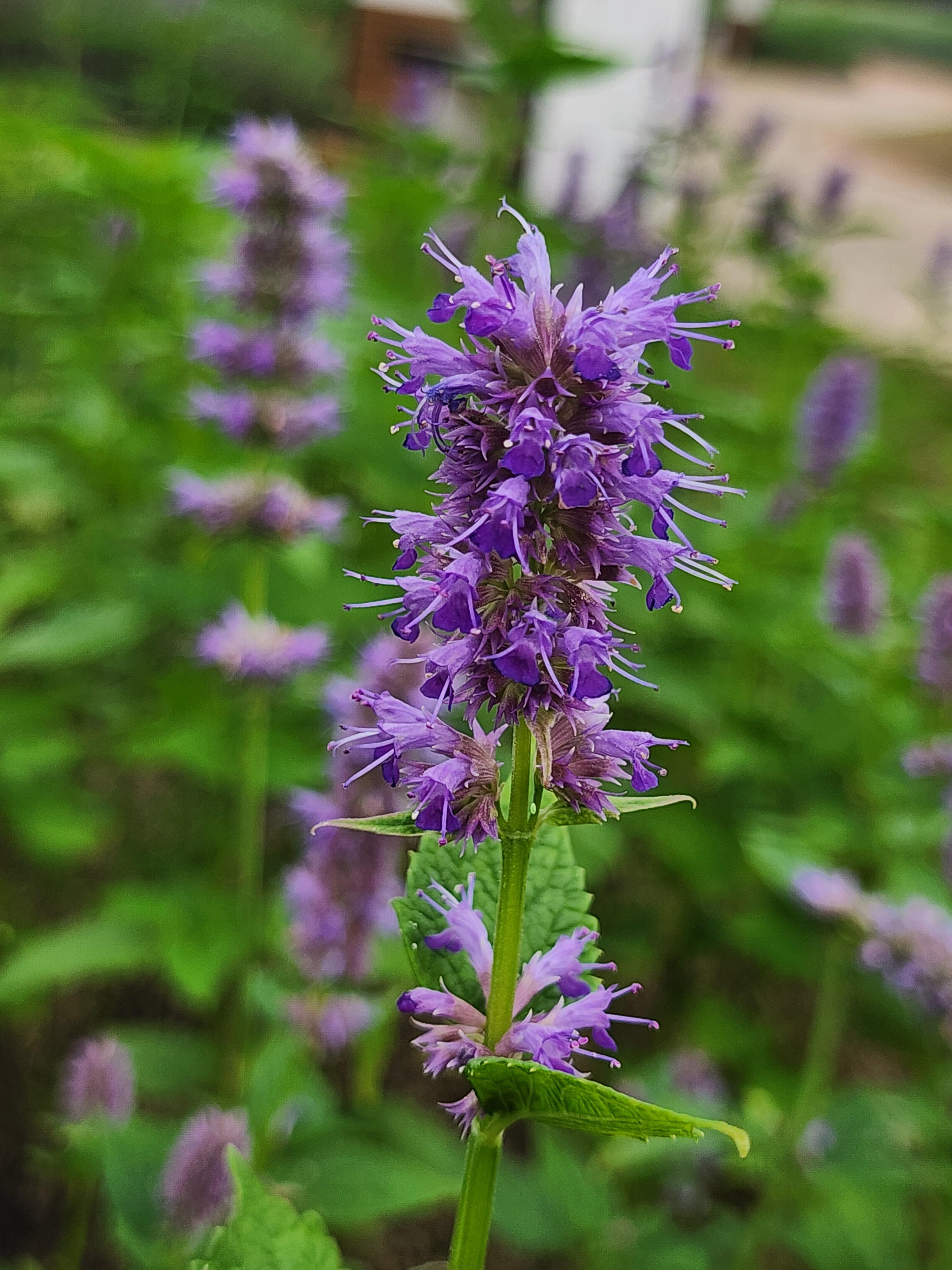


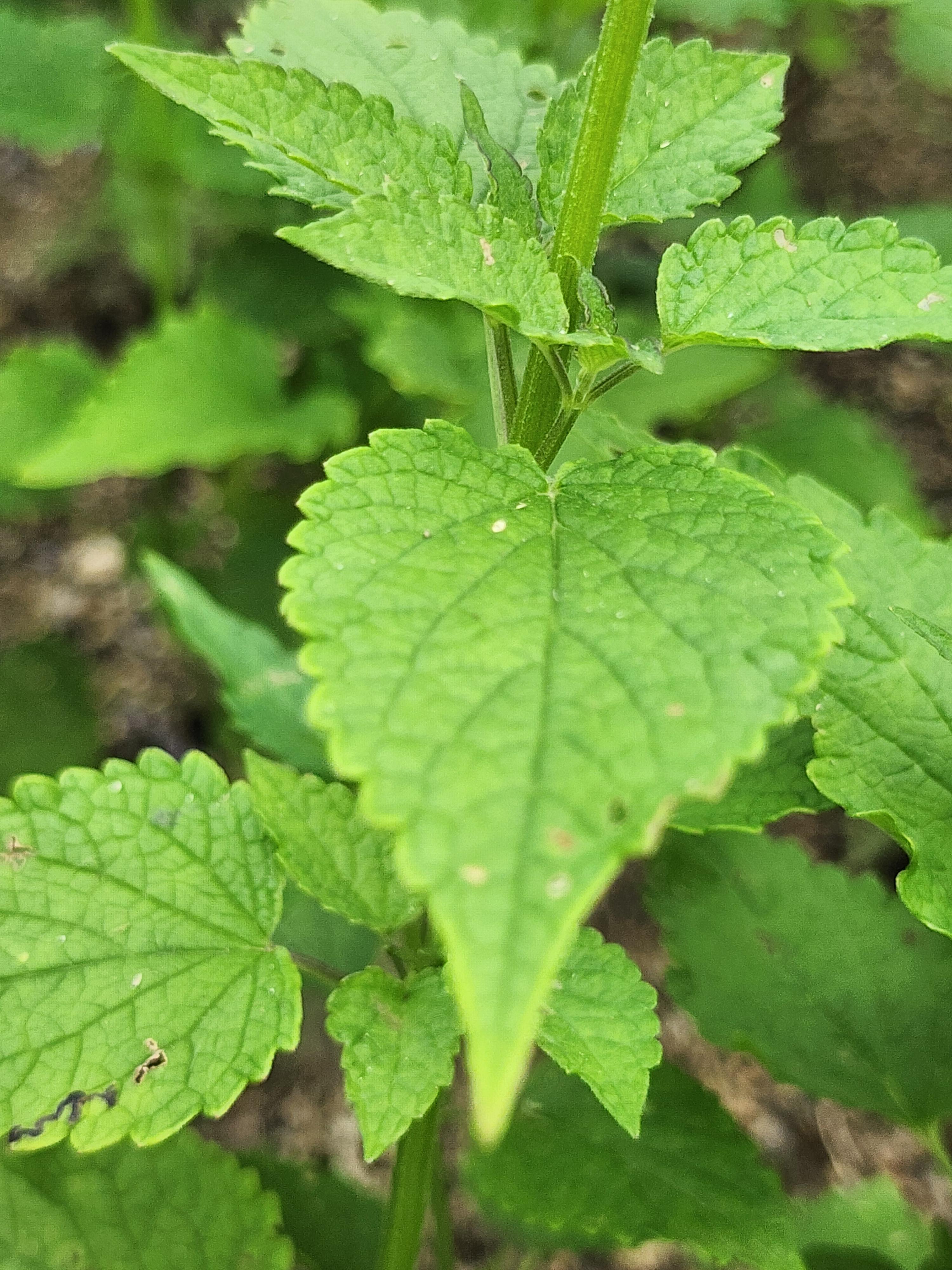


From Wikipedia, the free encyclopedia
Agastache foeniculum (syn. Agastache anethiodora (Nutt.) Britton), commonly called anise hyssop, blue giant hyssop, Fragrant giant hyssop, or the lavender giant hyssop, is a species of perennial plant in the mint family (Lamiaceae). This plant is native to much of north-central and northern North America. It is tolerant of deer and drought, and is visited by many pollinators.
Description
This species grows from 61–122 centimetres (2–4 feet) tall and 30 cm (1 ft) wide, in a clump-like, upright shape, with flowers appearing in showy verticillasters, or false whorls, and occasionally branching at the apex.[3] The leaves have an oval, toothed shape with a white tint underneath. The plant blooms in June to September with bright lavender flowers that become more colorful near the tip.[4][5] One plant may produce upwards of 90,000 individual flowers.[6] The root system produces a taproot.[3]
Leaves
Leaves
Similar species
A. foeniculum is commonly confused with A. rugosa[7] (which is sometimes sold as A. foeniculum) as well as A. scrophulariifolia.[8] Anise hyssop is in the same family as hyssop (the mint family Lamiaceae), but they are not closely related. Hyssop (Hyssopus) is a genus of about 10–12 species of herbaceous or semi-woody plants native from the east Mediterranean to central Asia.[9]
Distribution and habitat
The plant is native to much of north-central and northern North America, notably the Great Plains and other prairies.[9][10]
Ecology
The species is tolerant of deer and drought, and attracts various potential pollinators, including hummingbirds, butterflies,[4] bumblebees, honey bees, carpenter bees, and night-flying moths.[11] Honey bees make a light fragrant honey from the flower's nectar.[12] Anise hyssop is considered one of the premier plants for feeding pollinators. The 1969 edition of the Rodale's Encyclopedia of Organic Gardening claims that one acre planted in anise hyssop can support 100 honeybee hives, the flowers blooming for a very long season, often from June until frost and during the time it blooms, one can see bees on the flowers from the morning until dusk.[13] The many flowers of the plant provide forage for bees, butterflies and hummingbirds.[14]
Uses
Anise hyssop was used medicinally by Native Americans for cough, fevers, wounds, and diarrhea.[citation needed] The soft, anise-scented leaves[5] are used as a seasoning, as a tea, in potpourri, and can be crumbled in salad.
.............................................................................
아니스히솝과 배초향의 구별
| Agastache | 아니스히솝 foeniculum |
배초향 rugosum |
| 영명 | Anise hyssop | Korean hyssop |
| 엽신 | 대체로 잎이 배초향보다 좁다 | 대체로 잎이 아니스 히솝보다 넓다 |
| 잎 뒷면 | 회백색(미세한 면모 밀생) | 연초록색(털 적음) |
| 엽연 거치 | 다소 날카롭다 | 둥글다 |
| 향기 | 달콤한 감초(아니스 향) | 강한 민트 |
| 꽃색 | 진한 청보라색 | 연한 자주색 |
| 원산지 | 북미 | 한국 |
아니스히솝의 잎 퍼온 사진


비교 배초향 잎


사진 출처 : Wikipedia
'원예.재배식물' 카테고리의 다른 글
| Primula x polyantha (2) (0) | 2026.04.02 |
|---|---|
| 서양난 종류 (0) | 2026.02.13 |
| (스위트)바질 (2) (0) | 2025.12.21 |
| 미국마편초(Verbena hastata) (2) (0) | 2025.09.06 |
| Rudbeckia 검색표 (0) | 2025.09.06 |